
Objectives
The evidence is clear that using electricity to power efficient appliances and vehicles is the least cost way to operate our homes and businesses now and in the future. So why is the gas network still expanding in some parts of the country, locking more of us into expensive upgrades down the track? It’s time for consumers to be told that the future is electric and for governments to put policies in place to prevent us making bad financial investments in fossil-fuelled homes, home appliances and cars that will have to be fixed or prematurely replaced later.
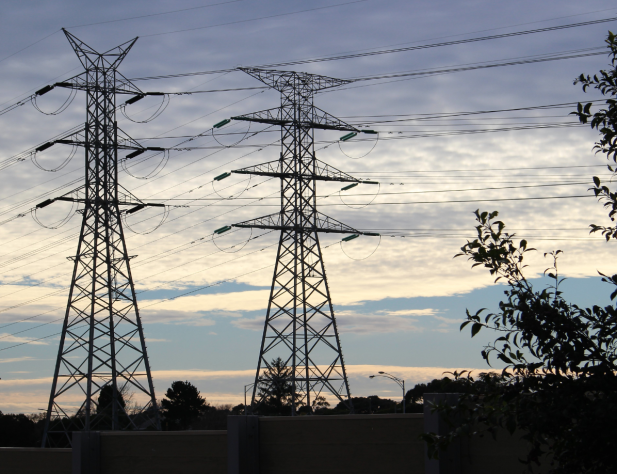
Network costs make up roughly 50% of the average household energy bill, and they are rising significantly. More of us are going all-electric and if the sector simply builds more networks, instead of using the ones we have more efficiently, the benefits of low-cost renewable energy will be more than offset by these costs. We’re funding research into how network utilisation can be more effectively measured and working with industry and regulators to make sure that consumers are getting their money’s worth for the networks they pay for.
Unlike taxes, which are progressive (i.e. the more you earn, the higher the rate of tax you pay), energy bills don’t take into account your income or personal circumstances, which is why it’s so hard for low-income families, and small businesses that need to use more energy, to afford them. In the middle of a cost-of-living crisis, we need to make sure that only energy costs are added to our energy bills – not costs for other policy priorities. Regional development is good for Australia, but it should be paid for via taxes.
We are tired of hearing that it’s up to consumers to engage more with the retail market and educate themselves on energy pricing. This puts all the work on us, when it’s the system that’s at fault. Default market offers, which were put in place to protect us from unreasonably high prices, aren’t working well and many of us are, in effect, being charged a loyalty tax by retailers because we can’t easily switch. Further, consumer needs have evolved, with more of us adopting consumer energy resources and changing the way we use energy, but retailers haven’t kept up. We need more diverse and innovative retail products that meet the needs of everyone and better protections from poor retailer behaviour.
You’d assume that higher bills would mostly be driven by higher energy prices – except we’re seeing decreases in wholesale electricity prices, largely driven by cheaper renewable energy in the system. A lot of the increase is actually due to network costs – the poles, pipes and wires. If these costs keep increasing, the benefits of cheaper renewables could well be lost. We need to encourage regulators to use – and, if necessary, expand – their monitoring powers to ensure that we all pay a fair share for energy, and not a cent more.
Our work on Value
Find out more about our work relating to our target 'Value', which relates to ensuring consumers pay a fair share for the energy they use. Here, you can navigate through the pages or use the search function to find specific work relating to 'Value'.





Subscribe to our newsletter
Join our community to access analysis on energy events, be the first to see our latest market research, receive invitations to stakeholder events, and help advance consumer needs.