
Objectives
Many of us, particularly people on low incomes and renters, face barriers to getting off gas. We’re concerned that as the energy transition escalates and more people exit the gas network, the cost of its upkeep will be split between fewer and fewer customers – meaning spiralling costs for those of us who can least afford to pay them. All Australian governments must work together on a national plan for gas to mitigate these risks.
Hundreds of billions of dollars are now being invested in new energy infrastructure, including new solar and wind farms, transmission, and energy storage systems. While much of this is necessary, no one in the sector should be allowed to forget that we consumers will ultimately pay for it through bills and taxes. Affordability is consumers’ number one priority for the energy transition and we need effectively designed and operated energy markets to ensure that we get a least-cost, efficiently built and operated energy system.
We know it’s going to cost a lot, but what exactly is the ‘bill split’ for the energy transition? Right now, it often feels like consumers are picking up the tab for the whole table. We have a right to know that all parties are paying their fair share. While we appreciate there are commercial sensitivities involved in large infrastructure projects, we want to see transparent reporting of how and when the costs are flowing to consumers.
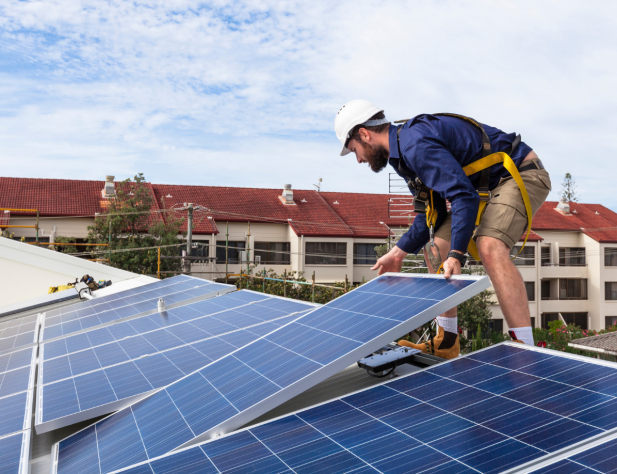
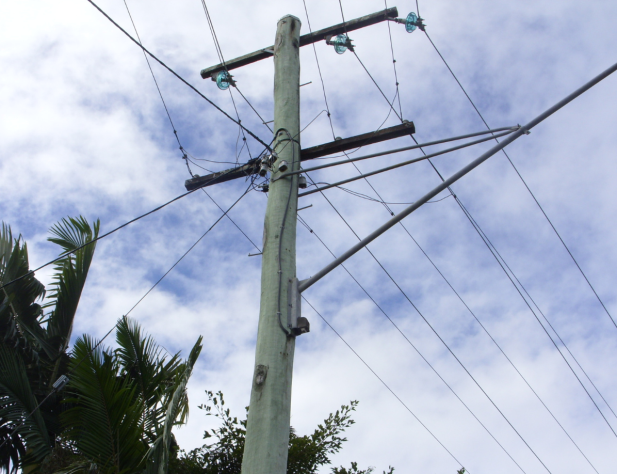
In the past, energy flowed one-way: from large generators to networks, and then into our homes and businesses. Today, many of us provide energy back to the network. In future, we’re hopeful we’ll see a multi-directional energy ecosystem, where we don’t just share our resources with ‘the system’ but provide excess solar or battery capacity to our neighbours – or they to us. Governments need to trial new regulatory and business models to demonstrate that community-based systems aren’t only feasible and desirable but lead to net savings for everyone.
Our work on Equity
Find out more about our work relating to our target 'Equity', which focuses on ensuring consumers pay a fair share of the energy transition. Here, you can navigate through the pages or use the search function to find specific work relating to 'Equity'.





Subscribe to our newsletter
Join our community to access analysis on energy events, be the first to see our latest market research, receive invitations to stakeholder events, and help advance consumer needs.