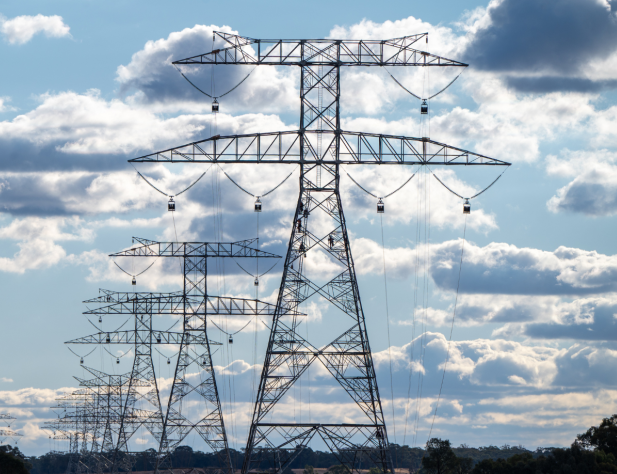
Setting the rate of return too high distorts investment signals, encouraging overinvestment, contributing to a higher than necessary regulatory asset base.
Our submission (PDF, 535.86KB) to the Australian Energy Regulator (AER)'s Draft Decision on the 2026 Rate of Return Instrument (RORI) posits that the rate of return, and associated parameters, must be set at the lowest possible level that can reliably attract investment.
While we acknowledge that the AER's Draft Decision reduces the regulated returns earned by businesses, particularly through a reduction in the equity beta, it does not go far enough to achieve this principle in practice.
We are deeply concerned that the Draft Decision will lead to consumers unnecessarily overpaying to compensate Network Service Providers (NSPs) for risks they are already shielded from.
Make a submission
The Rate of Return Instrument is one of the highest impact decisions affecting home energy bills. That's why we're calling on advocates to make a submission to the Australian Energy Regulator (AER) - or sign onto ours - to make sure it's set at the lowest possible level that can reliably attract investment.
Drafting a submission? Feel free to include our key points outlined below, or head our explainer for more information.
The rate of return, set by the AER, determines how much network businesses can earn on their capital investments. Given that network costs can account for as much as 45% (and growing) of electricity bills for households in the National Electricity Market (NEM), the impact of changes to network earnings has the potential to be very significant. The Australian Energy Regulator estimates changes proposed in its draft decision on the 2026 Rate of Return Instrument will save consumers around $1.1 billion over the coming years.
We think these proposed changes can be further strengthened. That's why we're calling on consumer advocates to join us by making a submission to the draft decision before the submission deadline on 31 July 2026. If you're an advocate with questions about this process, contact us.
The rate of return, and associated parameters, must be set at the lowest possible level that can reliably attract investment. Setting the rate of return too high distorts investment signals, encouraging overinvestment, contributing to a higher-than-necessary regulatory asset base - and higher energy bills for consumers.
Our key points in response to the AER's Draft Rate of Return Instrument (RORI) are:
- The AER’s equity beta estimate of 0.55 is not justified and is higher than what the evidence suggests. Equity beta should be no higher than 0.5. The AER’s estimate is biased by the inclusion of non-representative firms and the international data which the AER itself expresses caution with. The domestic data shows clearly that the equity beta estimates of majority-regulated Australian firms are generally below 0.4.
- The AER has not adequately considered our submission on the role of inflation as contributing to higher than forecast returns on equity. This review provides the scope to fix this mechanism before consumers are forced to fund further unearned outperformance.
- The Market Risk Premium estimate of 6.1% is not justified and is higher than the evidence suggests. The Market Risk Premium should be set no higher than 6.0%.
- There is no evidence of a major problem that moving to a weighted trailing average solves. There is little evidence that network investment is being constrained under the current approach.
Join our call to strengthen proposed changes to the RORI by making a submission to the AER. For more information, read our submission (PDF, 535.86KB) or contact us.
Download our submission
For more information, download our submission and independent report from Electricity Market Advisory Services via the links below.